In the context of poultry and swine nutrition, the terms "macropacks" and "micropacks" refer to concentrated mixes of nutrients that are added to feed formulations to meet the specific dietary requirements of these animals.
Pink eye, known medically as infectious bovine keratoconjunctivitis (IBK), is a common and highly contagious eye condition that affects cattle, causing inflammation and, in severe cases, temporary or permanent blindness.
Panicum maximum, commonly known as Guinea grass, along with other grass species, plays a significant role in hay production, offering a valuable source of forage for livestock.
Orf (also known as contagious ecthyma) and vesicular diseases such as Foot-and-Mouth Disease (FMD), Vesicular Stomatitis (VS), and Swine Vesicular Disease (SVD) are significant health concerns in ruminants
Mange is a skin disease in farm animals caused by parasitic mites, leading to discomfort, impaired productivity, and even severe health issues if left untreated.
Presenting ultrasound (USG) pregnancy results in sows involves identifying and measuring specific structures indicative of pregnancy at different stages of gestation.
In Zambia, the principles of permaculture have gained traction as a holistic approach to agriculture, aiming to create sustainable food systems while nurturing the environment.
Crossbreeding and the heterosis effect (also known as hybrid vigor) are fundamental concepts in animal breeding that can lead to significant improvements in livestock production.
Grass silage is a staple feed in many livestock operations, providing essential nutrients through the winter or dry periods when pasture is not available.
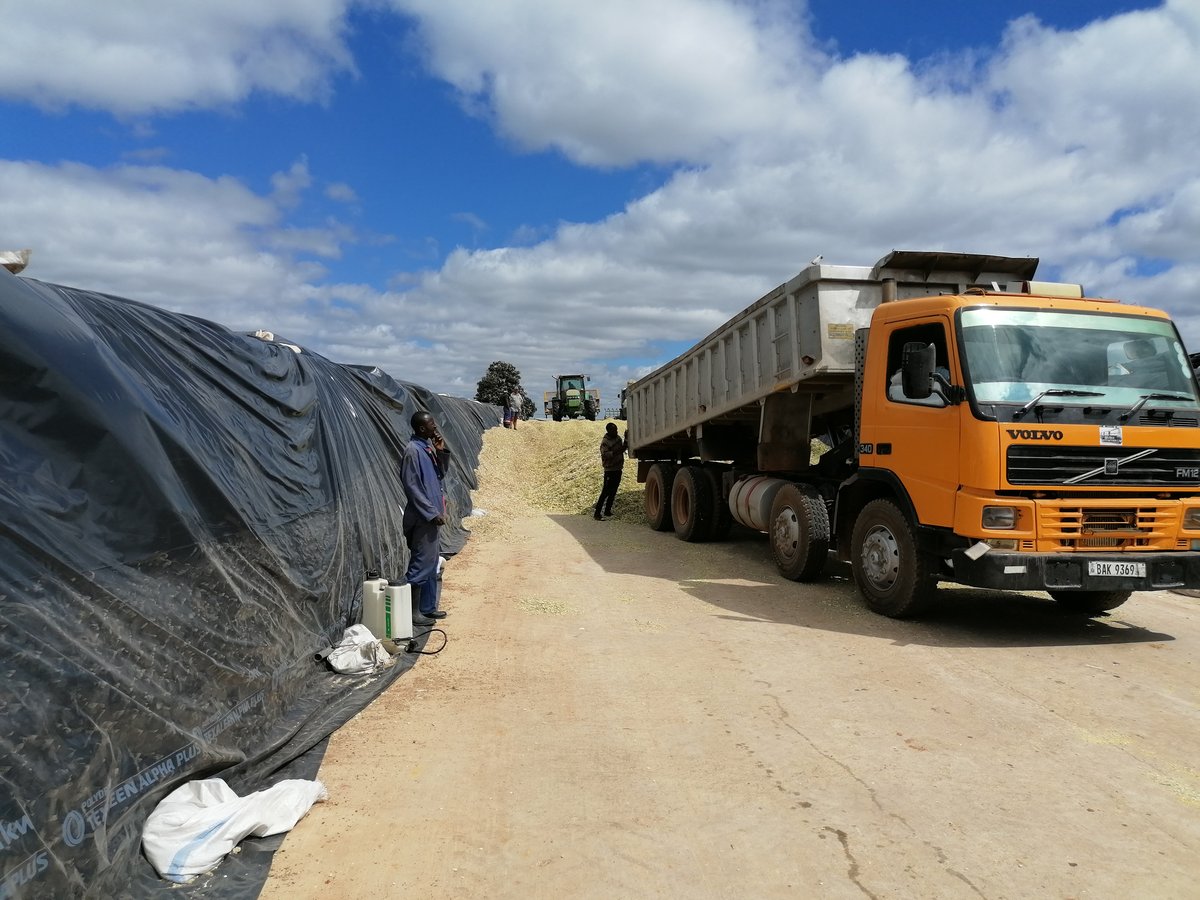
Effective silage management is essential for producing high-quality feed that preserves the nutritional value of harvested forage, ensuring livestock health and productivity. The process involves several critical stages: harvesting the forage, ensiling it correctly, and collecting the finished product for feeding. Here’s an in-depth look at each of these stages.
Producing high-quality fodder for silage and making good grass silage are critical aspects of farm management, ensuring that livestock have access to nutritious feed year-round. Here’s a comprehensive guide on how to achieve both objectives.
Evaluating maize (corn) before harvest is crucial for determining the optimal time to start the harvest and ensuring the maximum yield and quality of the crop.
Creating an effective storage solution for silage is crucial for preserving its nutritional value and ensuring it remains free from spoilage and contamination.
Milk replacer feeding strategies are essential for raising healthy, productive young livestock, especially in dairy farming where calves are often separated from their mothers early to manage milk production efficiently.
In the South African agricultural landscape, tick-borne diseases pose a significant challenge to cattle health, affecting productivity and livelihoods.
Producing high-quality fodder for silage and making good grass silage are critical aspects of farm management, ensuring that livestock have access to nutritious feed year-round.
Escherichia coli (E. coli) infections are a significant concern in neonatal livestock, particularly calves and piglets, often leading to diarrhea and, in severe cases, death.
Gastrointestinal parasites pose significant health risks to farm animals, leading to reduced productivity, impaired growth, and in severe cases, death.
Genetic improvement in livestock through artificial insemination (AI) is a revolutionary technique that has significantly influenced the agricultural sector.
Silage testing is a crucial step in evaluating the nutritional value, safety, and overall quality of silage as feed for livestock. By understanding the results of silage tests, farmers and livestock managers can make informed decisions about ration formulation, storage improvements, and feeding strategies.
Grass silage is a staple feed in many livestock operations, providing essential nutrients through the winter or dry periods when pasture is not available.
Creating an effective storage solution for silage is crucial for preserving its nutritional value and ensuring it remains free from spoilage and contamination.
Effective silage management is essential for producing high-quality feed that preserves the nutritional value of harvested forage, ensuring livestock health and productivity. The process involves several critical stages: harvesting the forage, ensiling it correctly, and collecting the finished product for feeding. Here’s an in-depth look at each of these stages.
Evaluating maize (corn) before harvest is crucial for determining the optimal time to start the harvest and ensuring the maximum yield and quality of the crop. The evaluation focuses on several key indicators that signal the crop's readiness for harvest. These indicators relate to the physiological maturity of the maize, the moisture content of the kernels, and the condition of the stalks and leaves. By carefully monitoring these signs, farmers can decide the best time to harvest their maize to achieve the highest quality and minimize losses.
Silage inoculation with specific microbial inoculants is a key strategy to enhance the fermentation process and improve the nutritional quality, palatability, and stability of silage.
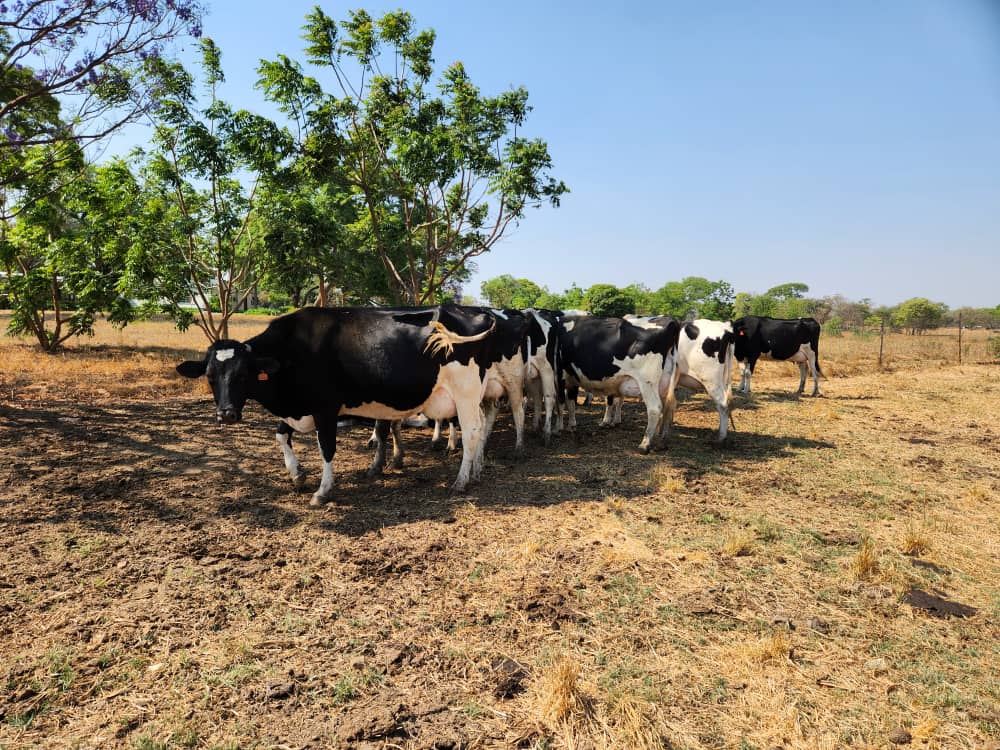
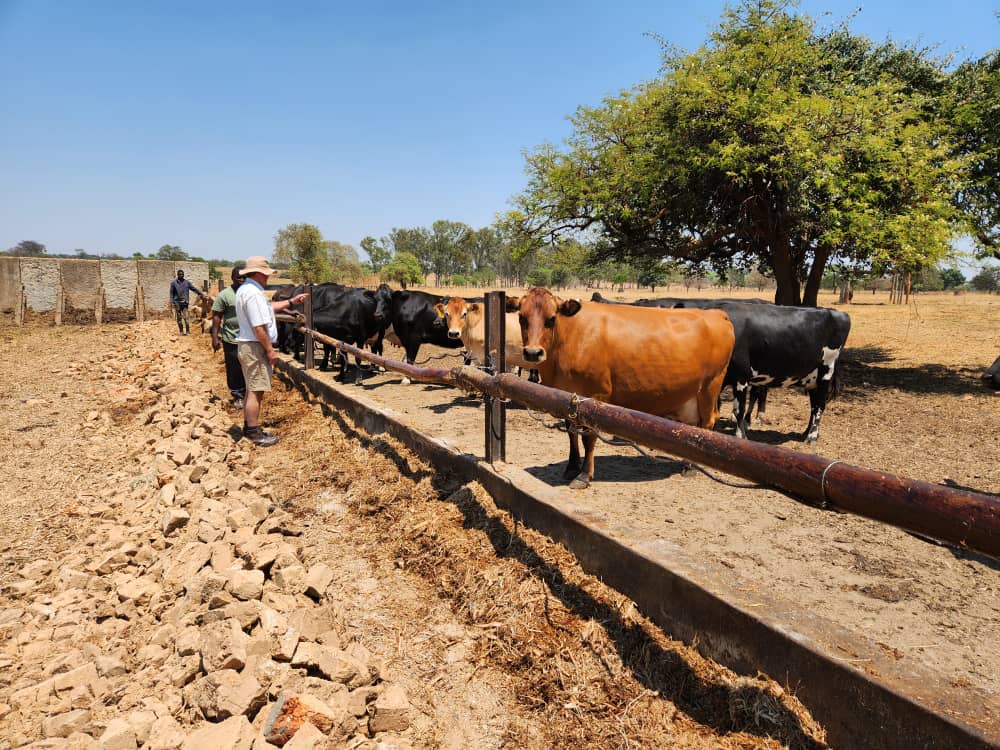
We have established cooperation with Damian Roberts already in 2017 through preventive veterinary care for their cattle and goats on the Kachere farm in Chisamba
I've been working with VVS for 4 years on the development of the Zambian market and I've just started moving around the farms in South Moravia, so here's my introduction for those who don't know me yet.
At the end of May we, VVS Vermerovice s.r.o., had a pleasure to host an incoming mission from Zambia consiting of experts and entrepreneurs from well known Zambian businesses
VVS Zambia along with VVS Czech Republic had a chance to present the mutual cooperation at the Agritech expo show happening from the 7th till the 9th of April 2022.
VVS has started its work in Zambia only 2 years ago, but we were already able to penetrate the market through our succesful cooperation with likes as Livestock services, Novatek and many of the large scale dairy farmers.